Thinking about moving to Rancho Santa Margarita and want the short version of what life here is really like? You are not alone. This master-planned city in South Orange County blends neighborhood convenience with access to major job hubs, which makes it a popular choice for buyers and sellers alike. In this quick guide, you will get a clear view of homes and HOAs, commuting, schools, costs, and the steps to take before you move. Let’s dive in.
What living in RSM feels like
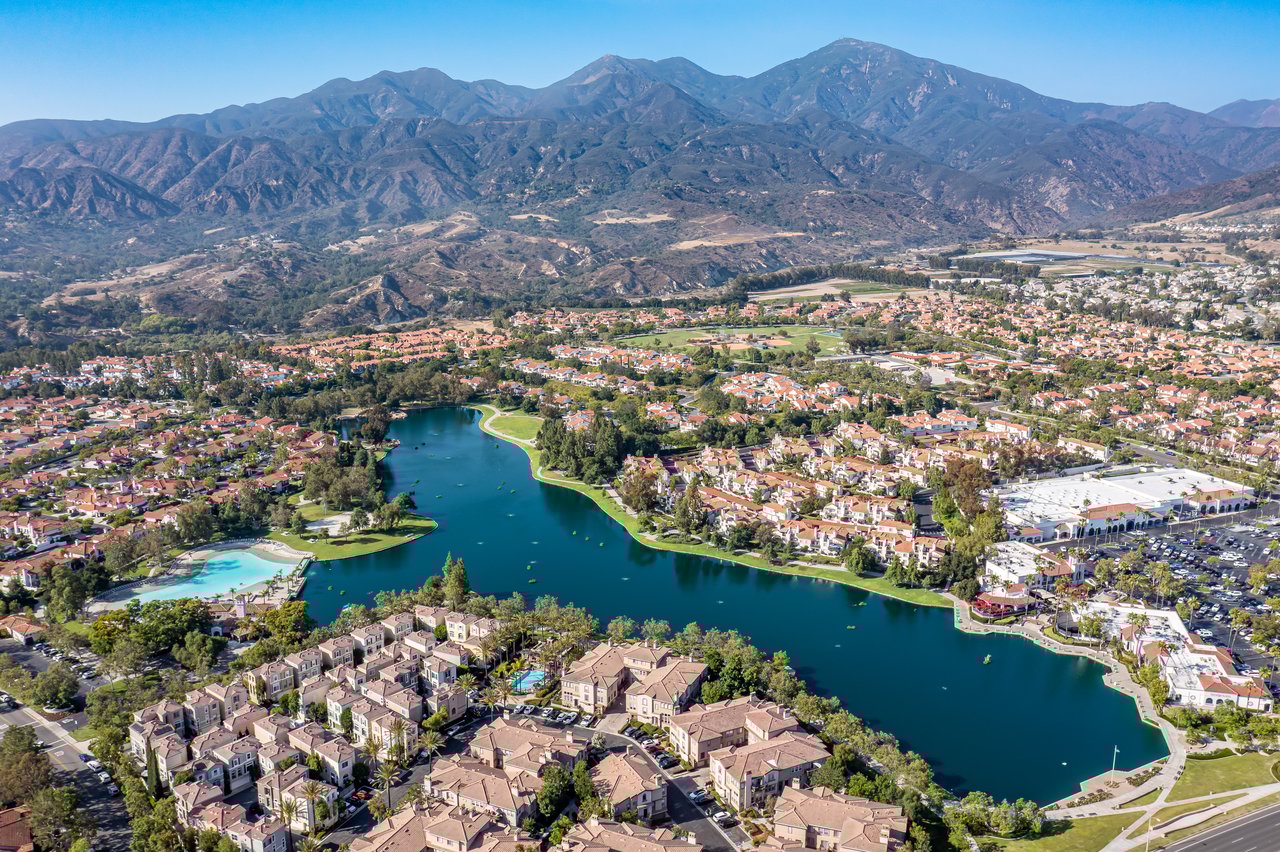
Rancho Santa Margarita sits in the foothills of South Orange County with a planned, suburban feel. You will find village shopping centers, community parks, and trail networks that make daily life simple. Many residents choose RSM because it is typically more affordable than some coastal cities while still close to Irvine, Anaheim, and Santa Ana.
The city was incorporated in 2000 and was built with a focus on neighborhood amenities. You will notice clean streets, organized HOA communities, and quick access to regional open space.
Homes and neighborhoods
Property types to expect
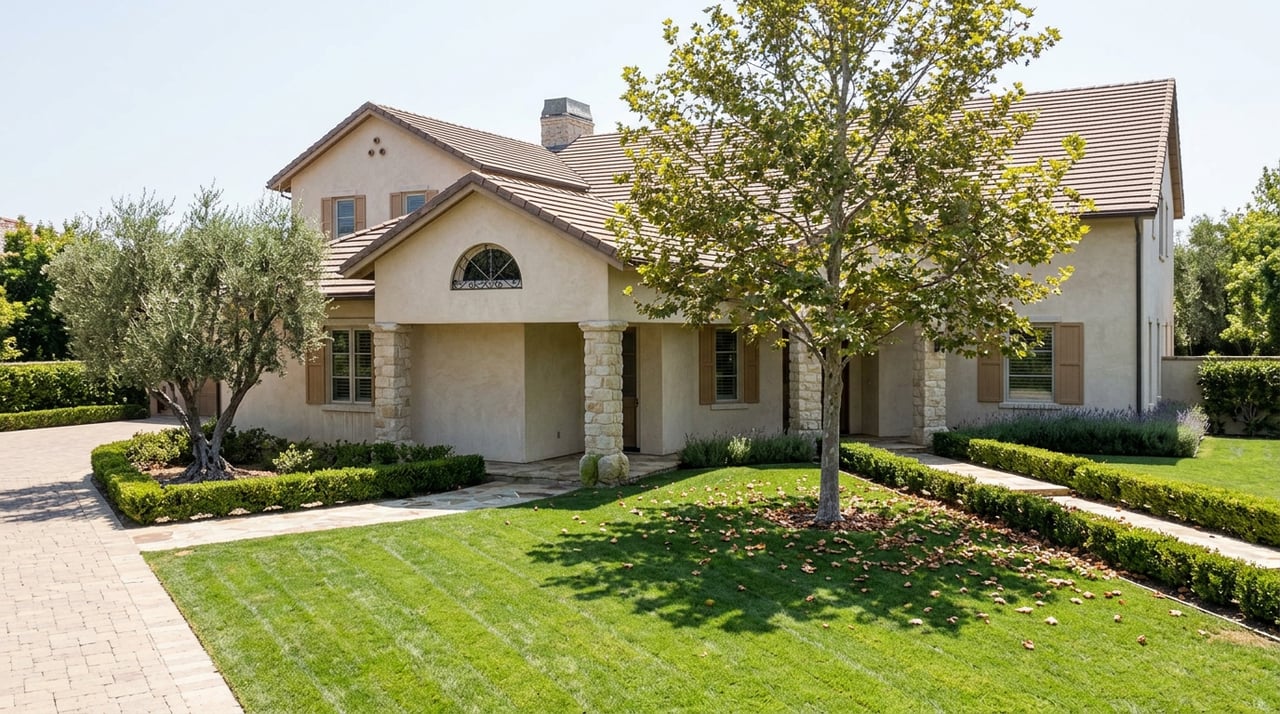
Most homes here are single-family properties, from compact 2–3 bedroom layouts to larger 4-plus bedroom homes. You will also find condos and townhomes, especially near commercial areas. Inventory is mostly resale, since land for new construction in Orange County is limited.
HOA communities and what they include
Many neighborhoods are part of a homeowners association. HOA dues often cover common-area maintenance, landscaping, pools, and sometimes gated access. Fees and rules vary by community, so you should review CC&Rs, financials, and recent meeting minutes during your due diligence. Expect well-kept common areas, but also plan for transfer fees and HOA timelines during escrow.
Housing market basics
RSM tends to follow broader Orange County trends. Pricing and activity are sensitive to mortgage rates and overall inventory. Most transactions are resales, and well-presented homes in desirable locations see strong interest.
If you are buying, a local MLS search and an agent’s comparable sales review will help you understand pricing by neighborhood and HOA. If you are selling, use recent comps within your same village or HOA to set a smart price. Citywide averages can miss micro-market differences.
Schools and enrollment
Much of Rancho Santa Margarita is served by the Saddleback Valley Unified School District. Because assignments depend on the property address, confirm boundaries and enrollment steps on the district’s site. You can review district information on the Saddleback Valley Unified School District website and see statewide performance data on the California Department of Education.
When you shortlist homes, verify the assigned schools and any application processes. Boundaries can change, so check by address.
Parks, trails, and daily conveniences
RSM is known for parks, playgrounds, sports fields, and access to trail networks. Seasonal events and community facilities add to the day-to-day lifestyle. For details on city parks, recreation programs, facility passes, and city services, explore the City of Rancho Santa Margarita website.
Shopping is easy, with village centers offering groceries, dining, and services. Larger retail options are a short drive to nearby cities.
Getting around and commute
Rancho Santa Margarita connects to the regional toll road network. State Route 241 links you north toward the 91 and 57 corridors and across inland Orange County. Depending on traffic, commutes to Irvine, Santa Ana, and Anaheim typically range from about 20 to 45 minutes.
Public transit is primarily bus service through the Orange County Transportation Authority. You can plan routes and schedules through OCTA. Regional rail is available in neighboring cities, with stations served by Metrolink. Many commuters use a park-and-ride approach. Check schedules and station info on Metrolink.
John Wayne Airport is the nearest commercial airport, with additional options at Long Beach and Los Angeles International for broader flight schedules.
Costs, taxes, and HOAs
Property taxes and assessments
California property taxes generally follow Proposition 13. The base rate is near 1 percent of assessed value, with additional local assessments and parcel taxes where applicable. Some subdivisions include Mello-Roos or other special financing that adds to your bill. You can review parcel-level information and tax basics through the Orange County Assessor.
HOA dues and budgeting
Because many homes are in HOA communities, build regular dues and potential special assessments into your budget. Ask for the HOA’s financial statements, reserve studies, and rules early. Understanding landscaping coverage, pool access, and any facility passes will help you plan your monthly costs.
Insurance and natural hazards
Southern California has specific risk considerations. Earthquake coverage is separate from standard homeowner policies. You can learn about coverage options and consumer guidance from the California Department of Insurance.
If you are considering hillside or edge-of-open-space locations, review wildfire risk and vegetation management resources from CAL FIRE. For flood zones and lender requirements, consult the FEMA Flood Map Service Center. Hazard designations can vary by parcel, so always check the specific property address.
Utilities and city services
Electricity and gas are delivered by regional providers in most of Orange County. Water and trash service vary by neighborhood and provider. The city website offers links and contacts for utilities and trash services, so it is a good first stop when you set up accounts and learn pickup schedules. Start with the City of Rancho Santa Margarita site to find the right contacts.
Buyer tips for RSM
- Confirm school assignments and enrollment steps with the district by property address.
- Review HOA CC&Rs, rules, financials, meeting minutes, and transfer fees before you waive contingencies.
- Ask your agent to estimate total property tax, including any Mello-Roos and special assessments.
- Check CAL FIRE and FEMA resources for wildfire and flood exposure for the specific parcel.
- Verify any permits for past remodels and additions. Make sure work was finalized with the city.
- Understand toll road routes and costs if you plan to commute daily.
- For community pools and recreation facilities, confirm access rules and pass requirements.
Seller tips for RSM
- Showcase neighborhood amenities such as parks, trails, and proximity to everyday services.
- Provide a clean HOA document package up front. Early access to CC&Rs and financials builds buyer confidence.
- Price within your village or HOA, not just citywide. Micro-market comps matter here.
- Address curb appeal and simple upgrades that align with community standards.
- Pre-schedule inspections, including termite and roof, to reduce surprises in escrow.
Your RSM moving checklist
- Set a budget that includes mortgage, taxes, HOA dues, and insurance premiums.
- Get pre-approved and review neighborhood-level comps with your agent.
- Verify school boundaries and enrollment timelines with the district.
- Order a natural hazard disclosure and review FEMA and CAL FIRE maps by address.
- Request HOA documents early and read CC&Rs, rules, and reserve studies.
- Confirm any Mello-Roos or special assessments with the parcel number through the county.
- Plan your commute, including toll routes, costs, and possible park-and-ride options.
- Set up utilities and trash service through the city’s listed providers.
- Schedule inspections suited to the property, including general, roof, HVAC, and termite.
- Coordinate move-in logistics, including HOA move rules, elevator times if applicable, and gate codes.
If you want local guidance that balances lifestyle goals with a clear plan, our team can help you compare neighborhoods, prepare a pricing strategy, and access both active and off-market opportunities. Connect with The Bowen Team to get a personal game plan that fits your move.
FAQs
What types of homes are common in Rancho Santa Margarita?
- You will mostly find single-family homes, plus a mix of townhomes and condos, many within HOA communities that offer shared amenities.
How do property taxes work in Rancho Santa Margarita?
- California uses Proposition 13 with a base rate near 1 percent of assessed value, plus local assessments; check parcel details with the Orange County Assessor.
Which school district serves Rancho Santa Margarita?
- Much of the city is served by Saddleback Valley Unified; verify address-specific assignments on the Saddleback Valley Unified School District site.
What are the main commute options from RSM?
- Most residents drive using regional roads and the 241 toll road; bus routes are available via OCTA, and nearby Metrolink stations serve regional rail commuters.
What natural hazards should I check before buying in RSM?
- Review earthquake coverage with the California Department of Insurance, wildfire resources from CAL FIRE, and parcel-specific flood info on FEMA’s Flood Map Service Center.
Are HOAs common in Rancho Santa Margarita?
- Yes, many neighborhoods are HOA communities; plan for dues, review CC&Rs and rules, and factor any transfer fees and timelines into your escrow plan.