
If your workweek takes you up or down the coast, San Juan Capistrano gives you two powerful commuting choices: rail and road. You want a commute that fits your schedule, your family rhythm, and your budget. This guide breaks down your train and freeway options, what to expect day to day, and how commute patterns can shape the right neighborhood choice for you. Let’s dive in.
Rail options from San Juan Capistrano
Metrolink vs. Pacific Surfliner
Metrolink serves daily commuters with the Orange County Line and some Inland Empire–Orange County service during peak periods. Trains are concentrated around weekday mornings and evenings, which works well if you keep a consistent office schedule. Amtrak’s Pacific Surfliner is an intercity service with more even spacing throughout the day, fewer stops, and typically faster end-to-end times.
If your destination is Irvine, Santa Ana, Anaheim, or Los Angeles, rail helps you avoid I-5 congestion and parking hassles in denser job centers. Check current departures and station details on the Metrolink San Juan Capistrano station page, and review intercity options on the Pacific Surfliner schedules.
Typical train times and frequency
Weekdays offer more trains and better peak coverage than weekends. Expect longer gaps outside rush hours. Typical ranges vary by train type and time of day, but you can use these ballparks while you plan specifics:
- Irvine/John Wayne Airport area: roughly 25–45 minutes by train.
- Los Angeles Union Station: roughly 60–90+ minutes depending on stops and service.
- Oceanside/San Diego direction: roughly 45–75 minutes on the Pacific Surfliner.
Always check exact schedules before you commit, especially if you need a precise arrival time or you’re traveling at off-peak hours.
Station amenities and first/last mile
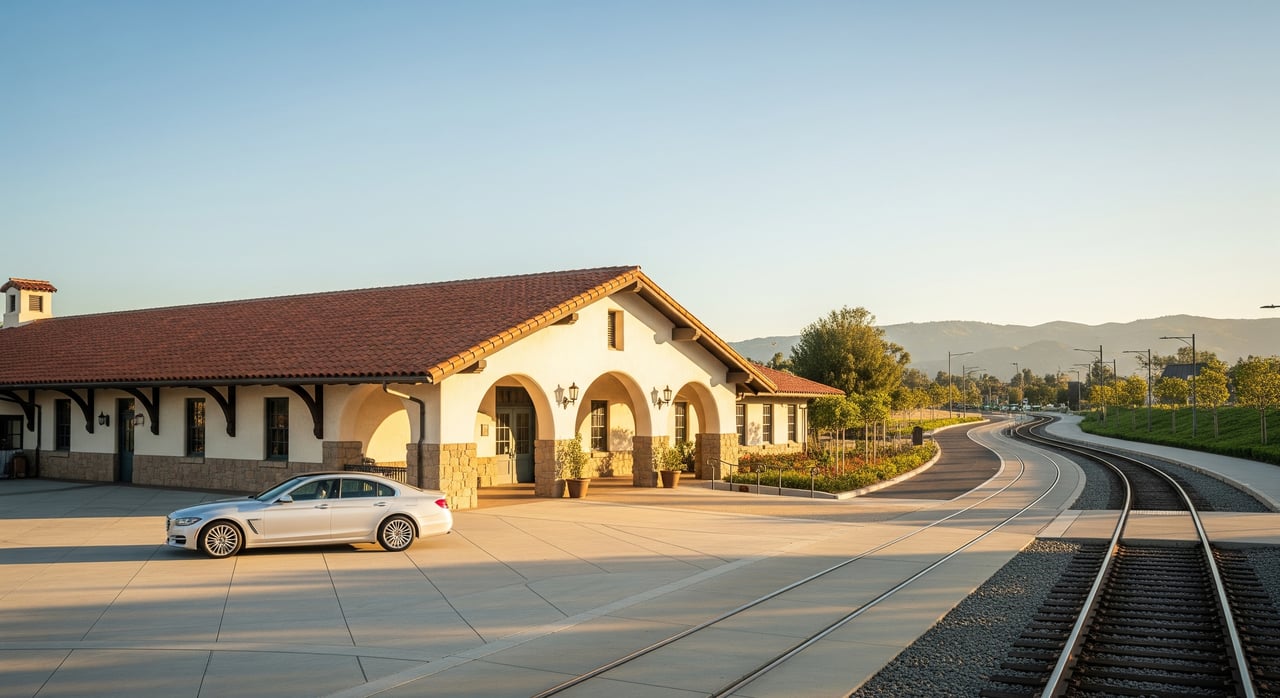
The San Juan Capistrano station sits by the historic depot and shares facilities for both Metrolink and Amtrak. You’ll find surface parking, bicycle racks, and typical commuter conveniences. Downtown and Los Rios are walkable to the platform, which is ideal if you want a stress-free morning. For connections, local bus routes from the Orange County Transportation Authority can extend your reach; you can browse OCTA bus routes and schedules. Rideshare, taxi, and simple drop-off arrangements are common.
Tickets and passes
Metrolink and Amtrak run separate fare systems, with mobile ticketing and multi-ride passes for frequent riders. If you connect to a local bus on either end of your trip, review transfer rules and any regional fare integrations. Commuters who ride multiple days per week often find that monthly passes provide predictable costs and may beat daily driving once you account for fuel, tolls, and parking.
Driving routes and traffic patterns
Key corridors: I-5, PCH, and SR-74
Interstate 5 is your primary north–south spine. It carries you to Irvine, central Orange County, Los Angeles, and south into San Diego County. State Route 1, the Pacific Coast Highway, is a scenic alternative for local coastal trips but is usually slower. State Route 74, the Ortega Highway, connects east toward Riverside County and can make sense for select inland commutes, though it is winding and conditions vary.
Toll roads and when to use them
Toll facilities like SR-73, SR-241, and SR-261 can cut travel time to central and northern Orange County during heavy congestion. These roads offer limited-access alignments that bypass chokepoints on I-5, but toll costs add up if you rely on them daily. Review current rates and payment options on The Toll Roads before you map a long-term routine.
Typical drive times and variability
You’ll see the biggest delays in peak directions: northbound on weekday mornings and southbound in the evening. Off-peak trips can be straightforward, but incidents and seasonal factors introduce unpredictability.
- South Orange County trips, like San Juan Capistrano to Mission Viejo or Irvine, often range from 20–45 minutes depending on time of day.
- Longer drives to central Los Angeles or downtown can stretch from 60 minutes to 2 hours or more in heavy traffic.
Because conditions change quickly, use Caltrans QuickMap or your preferred navigation app for live traffic and incident alerts.
Parking and cost tradeoffs
Daily driving includes fuel, tolls, and possible parking charges at your destination. When you compare that to a monthly rail pass and station parking, the cost gap can narrow, especially if your employer subsidizes transit or parking. Many local commuters split modes over the week to balance time, cost, and flexibility.
Park-and-ride and first/last mile
Station parking and nearby options
The station offers surface parking used by both Metrolink and Amtrak riders. Spaces can fill early on busy weekdays, so build in extra time if you plan to park right at the depot. Nearby municipal lots and street parking may have time limits or paid signage, so review the City of San Juan Capistrano’s official site for parking regulations before you commit to a routine.
If you need more capacity, some commuters drive to larger stations like Mission Viejo or Irvine to catch a train with more frequent service or more reliable parking.
Local transit, walking, and biking
If you live in downtown San Juan Capistrano or the Los Rios area, a short walk can replace your morning drive entirely. These neighborhoods are well suited to train-centric commuting. OCTA bus routes can bridge neighborhoods to the station or carry you to employment centers. If you bike, scout secure storage and locker availability in advance, and carry a lock.
Rideshare and employer shuttles
Rideshare and employer shuttles are helpful if you have irregular hours or you work in areas that are not walkable from your destination station. Some large employers near Irvine or other job centers run shuttles from major hubs. Check with your HR team for current programs.
Where to live based on your commute
Walkable-to-rail neighborhoods
If you want a low-stress train routine, look at downtown San Juan Capistrano, Los Rios, and parts of the historic core. You can walk to the platform, skip parking, and enjoy access to local shops and dining. Inventory may skew to smaller or older homes and condos, so plan for tradeoffs in yard size or modern features.
Drive-to-station areas
If you want more space and still plan to ride the train a few days each week, consider neighborhoods surrounding the city core and residential areas to the north and west. Some nearby communities, such as Rancho Mission Viejo and Capistrano Beach, also appeal to hybrid households. You will want to budget time for station parking and the short drive in both directions.
Toll-road oriented suburbs
If you commute by car to central or northern Orange County, neighborhoods with convenient access to SR-73 or other toll roads can save time. Areas around San Juan Hills and nearby master-planned communities may align with this pattern. You gain faster travel during peak periods at the cost of tolls and sometimes longer local drives to the interchanges.
Coastal choices and southbound jobs
For roles along the coast or south toward San Diego County, you might value closer access to I-5 south or a convenient reach to the Pacific Surfliner. Coastal neighborhoods, including those near Dana Point and Capistrano Beach, can reduce your southbound drive time, while a train option gives you flexibility for days with heavy traffic or limited parking.
Family logistics and hybrid life
If your household juggles school pickups and activities, proximity to childcare, after-school programs, and daily errands can matter as much as your office commute. Neighborhoods farther from the station will likely mean more car dependence in the afternoon and evening. If you split time between home and office, weigh the monthly cost of tolls and fuel against a small price premium for a home with station access or walkable amenities.
Planning tips for smoother commutes
- Check exact train times for your specific origin and arrival station. Some Metrolink trains skip stops or run only in peak directions.
- Arrive 15–20 minutes early for morning trains if you plan to park, especially on busy weekdays.
- Use real-time tools for both modes. The Metrolink and Amtrak apps provide updates, and Caltrans QuickMap flags incidents that can add unexpected time on I-5.
- Confirm employer benefits. Pre-tax transit programs, parking stipends, and shuttle connections can change your cost and time equation in a meaningful way.
- Watch seasonality. Summer weekends, special events, and holidays increase traffic and train loads. At times, Amtrak may offer better weekend frequency than weekday-focused commuter service.
Which option fits your week?
Hybrid professional working 2–3 days in Irvine or LA
You can train inbound on high-traffic mornings and drive home when congestion eases, or swap that pattern to match meetings and parking availability. A weekly or monthly rail pass can offer value if you ride consistently. For lifestyle fit, choose either a walk-to-station home near downtown or a family neighborhood with an easy station drive.
Family with school-age children and one in-office day
Drive most days for school logistics. On your office day, use park-and-ride or carpool to simplify morning timing. If your employer supports transit or parking costs, add that to your decision framework when you compare to a monthly rail pass.
Commuter to San Diego or coastal job centers
The Pacific Surfliner is a strong choice for coastal destinations. Compare daily pass costs to driving and consider your last-mile plan on the other end. Coastal or southern neighborhoods can help reduce your southbound drive time when you do take the car.
Ready to map your commute into your home search? Our team can help you balance route choices, schedules, and neighborhood fit so your daily routine feels easy.
If you want local guidance that pairs lifestyle with results, reach out to The Bowen Team. Get an Instant Home Valuation and a clear plan for your next move.
FAQs
Is train commuting faster than driving from San Juan Capistrano to Irvine or Los Angeles?
- It depends on time of day and service. During peak periods, trains are often faster and more reliable than I-5. Outside peaks, driving can be competitive, so compare live options each day.
How reliable is parking at the San Juan Capistrano station on weekdays?
- The station has surface parking, but it can fill early on commuter mornings. Arrive with a buffer or consider nearby stations with larger lots if you need more certainty.
Are Metrolink and Amtrak Pacific Surfliner schedules coordinated for easy transfers?
- They operate independently. You can often transfer, but you should build in buffer time and confirm connections with current timetables.
Do toll roads like SR-73 meaningfully cut commute time to central Orange County?
- Yes, during heavy congestion they can save time, but they add recurring toll costs. Review rates on The Toll Roads and weigh the savings against your budget.
What tools should I use to plan a daily drive from San Juan Capistrano?
- Use Caltrans QuickMap for live incidents and closures, plus your preferred navigation app for routing and real-time travel times.
Where can I find train and bus schedules serving San Juan Capistrano?
- Check the Metrolink station page for commuter rail, Pacific Surfliner schedules for intercity trains, and OCTA routes for local bus connections.